
Water & wastewater
Plate heat exchangers for water and wastewater
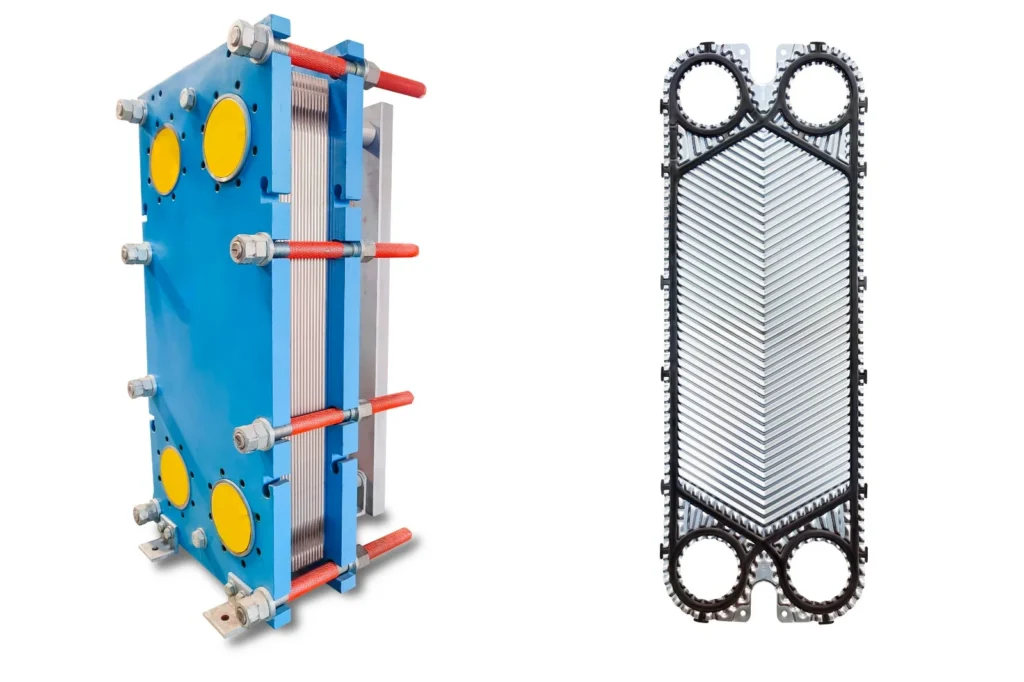
Treatment plants use plate heat exchangers to move heat between circuits — heating digesters, recovering heat from biogas engines and cooling plant equipment.
Overview
Heat transfer in a demanding environment
At water and wastewater plants, plate heat exchangers typically work on the clean side of the process: hot-water circuits that heat digesters, jacket-water recovery from biogas engines, and cooling for blowers, compressors and other equipment.
Water chemistry varies, and circuits exposed to treated effluent or untreated water foul and scale over time. Regular inspection and cleaning keep heat transfer where it should be and avoid leaks between circuits.
Applications
Common heat-transfer applications
01
Digester heating circuits
Transferring heat into the hot-water loop that keeps digesters at temperature.
02
Biogas engine heat recovery
Recovering jacket-water heat from cogeneration engines.
03
Equipment cooling
Cooling blowers, compressors and other plant equipment.
04
Circuit separation
Keeping clean closed circuits apart from process or effluent water.
05
Building and process heating
Using recovered heat elsewhere on site.
Challenges
Operating challenges we plan for
- Fouling and scaling from variable water quality
- Solids and biological growth in some circuits
- Chlorides and treatment chemicals affecting material choice
- Remote or unattended sites
- Units that run for long periods without inspection
Services
Relevant services
- Cleaning & regasketing — removing scale and fouling
- Workshop servicing — strip-down, crack testing and rebuild
- Maintenance programs — scheduled servicing across sites
- On-site servicing — inspection and leak detection on site
Products & parts
Suitable equipment and parts
Maintenance
Maintenance considerations
Things to plan for at treatment plants:
- Record temperatures and pressure drop so fouling shows up early
- Clean before performance falls far enough to affect the process
- Check plate and gasket materials against water chemistry
- Keep nameplate details on file so parts can be identified quickly
FAQ
Common questions
Can plate heat exchangers handle sludge?
Standard plate units need relatively clean fluids. Plate exchangers at treatment plants usually work on the water side of the process; tell us the duty and we’ll advise what suits it.
What details do you need to quote parts?
The make, model and serial number from the nameplate, plus photos of the unit. Our Find My Part form lists everything that helps.
Get in touch
Tell us about your application
Share the duty, the media and the operating environment, and we’ll recommend a practical option.