Preparing a plate heat exchanger for a service inspection
A short checklist that makes the visit faster and more useful.

05 Articles
Practical thinking on plate heat exchanger efficiency, maintenance and materials, straight from our engineers.
A short checklist that makes the visit faster and more useful.
A thin layer of deposit insulates the plate and narrows the channels.
Frame condition, plate condition and whether the duty has changed usually decide it.
The nameplate is the fastest route. If it’s missing, a few measurements and photos will do.
CIP keeps routine fouling under control; a workshop service does what CIP can’t.
Gaskets, compression, cracked plates or connections — finding the source decides the fix.
There’s no single interval — temperature, media and cleaning decide gasket life.
Rising pressure drop, drifting temperatures and weeping gaskets are the most common early warnings.
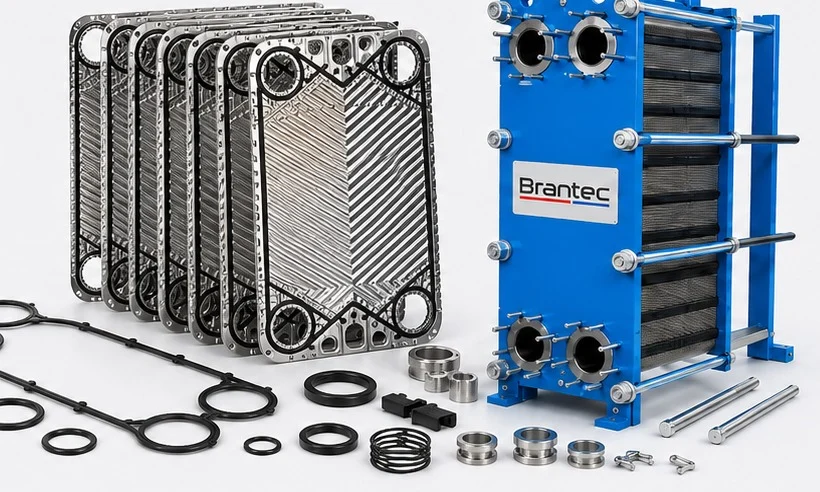
How plate heat exchangers work, where they are used across Australian industry, and what to consider when selecting one.
Get in touch
Talk to our plate heat exchanger specialists about design, service or parts. Tell us the duty and the environment — or send a photo of the nameplate.